How Modern Car Key Replacement Actually Works
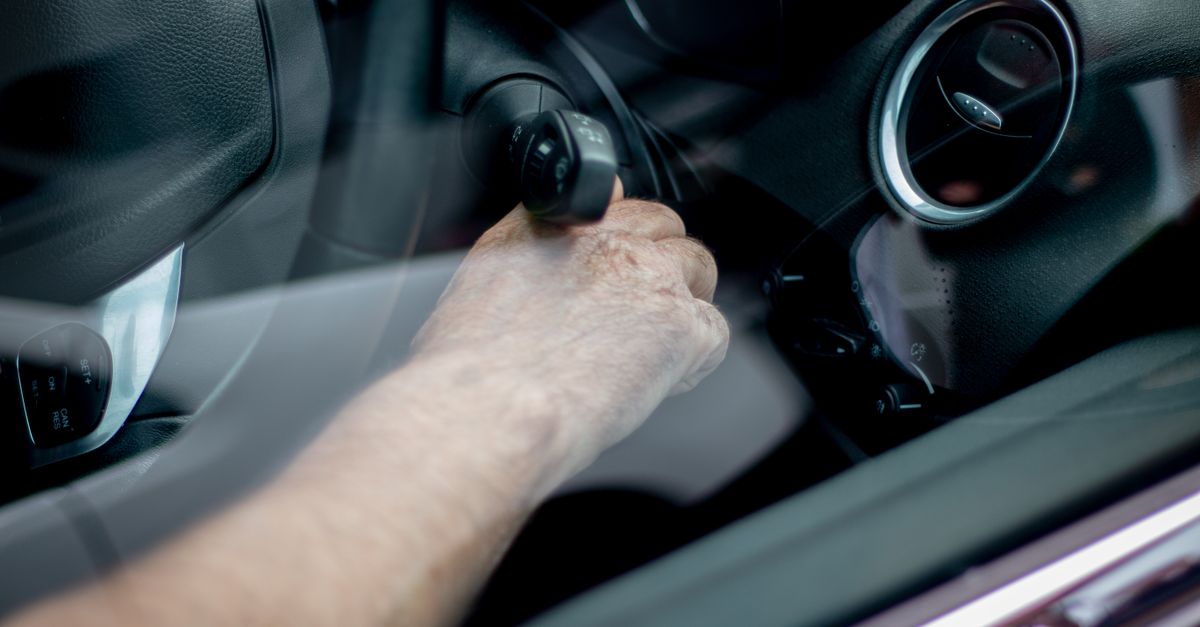
A replacement car key is not simply a matter of copying a metal profile. Almost every vehicle manufactured after the mid-1990s contains a transponder chip embedded in the key head. When you insert the key, the car's immobilizer module sends a radio-frequency signal to that chip. If the chip doesn't respond with the correct code, the engine will crank but not start — a built-in theft deterrent. Programming that chip to match your specific vehicle's immobilizer requires OBD-II diagnostic access, manufacturer-specific software, and in many cases a working key or PIN code pulled from the vehicle's control module. Our technicians carry professional-grade key programmers that cover thousands of vehicle makes, models, and model years, so the process is handled entirely at the curb.
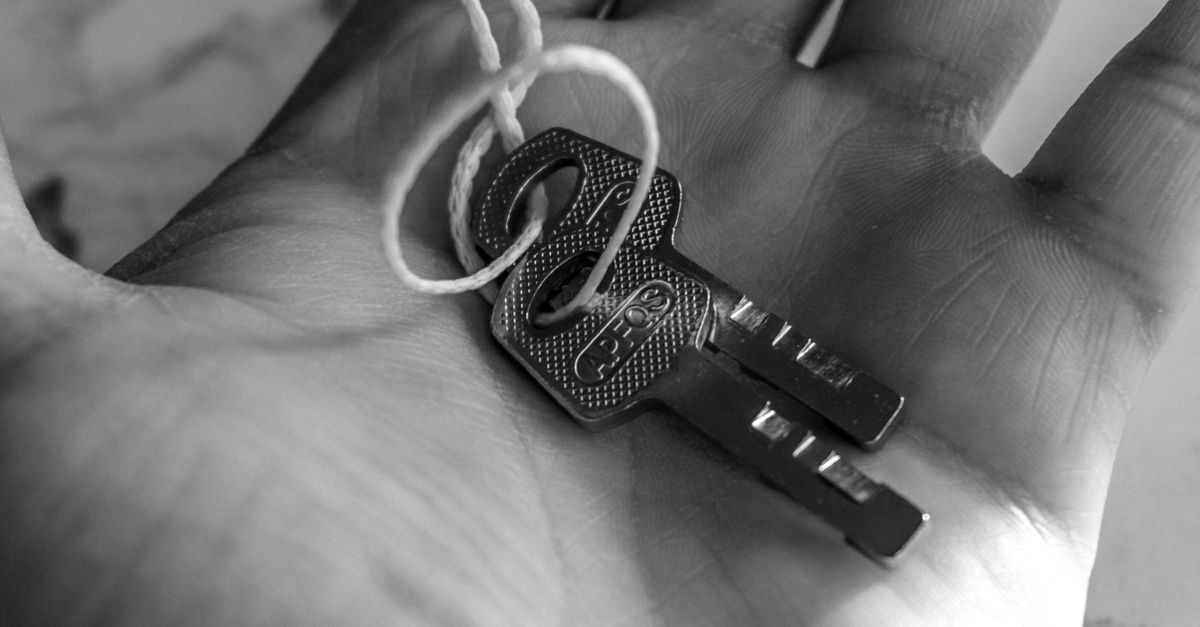
Beyond transponder programming, many vehicles now use proximity or smart keys — sometimes called key fobs or push-to-start fobs — that communicate with the car continuously while within range. These require an additional layer of programming to sync with the vehicle's body control module. Laser-cut or sidewinder keys add another dimension: their winding, symmetrical blade profile requires a dedicated laser-cutting machine that standard hardware stores simply don't carry. When you call (646) 713-1358, our dispatcher will confirm your vehicle's year, make, model, and trim level to ensure the technician arrives with the correct blank and programming software loaded.