Upper West Side Locksmith NYC Service Team
Local locksmith team
Aug 5, 2026 10 min read
If you live in a co-op or condo on the Upper West Side — whether you're on West End Avenue, tucked into a prewar building near Riverside Drive, or in one of the newer conversions along Broadway — you've probably discovered that changing your locks isn't as simple as a quick trip to the hardware store. Co-op boards and condo associations in this neighborhood tend to have specific rules about what hardware you can install, who can install it, and whether you need to notify building management before or after the job. Get it wrong and you could face a violation, a forced reversal, or a tense conversation with your property manager.
This guide breaks down what Upper West Side co-op and condo residents actually need to know before swapping out a lock cylinder, upgrading to a smart lock, or replacing aging hardware — including the kinds of mortise locks common in the area's older prewar stock. If you're already in the middle of a lock situation and need help now, call Upper West Side Locksmith NYC at (646) 713-1358 — we're available around the clock.
## Why Co-op and Condo Rules Make Lock Changes Complicated on the Upper West Side
The Upper West Side is dominated by prewar buildings — many constructed between 1900 and 1940 — and a large share of those buildings are co-ops rather than condos. In a co-op, you don't technically own your apartment; you own shares in a corporation, and your proprietary lease governs what you can and can't do to your unit. Most proprietary leases include language about door hardware, and the overwhelming majority require that building management retain the ability to access your unit in an emergency. That means any lock you install must either be keyed to the building's master key system or supplemented by a lockbox arrangement — and some boards go even further, specifying approved lock models by name.
Condo associations on the UWS tend to be slightly more flexible, since unit owners hold actual deeds, but common-area door rules still apply, and many buildings require that any work affecting the door or frame be done by someone the board considers qualified. Before you purchase a single piece of hardware, the single most important step is reading your proprietary lease or condo bylaws and, if anything is ambiguous, sending a written inquiry to your managing agent. A quick email now can save you from a costly reversal later.
## Mortise Locks, Corbin Cylinders, and the Prewar Hardware Reality
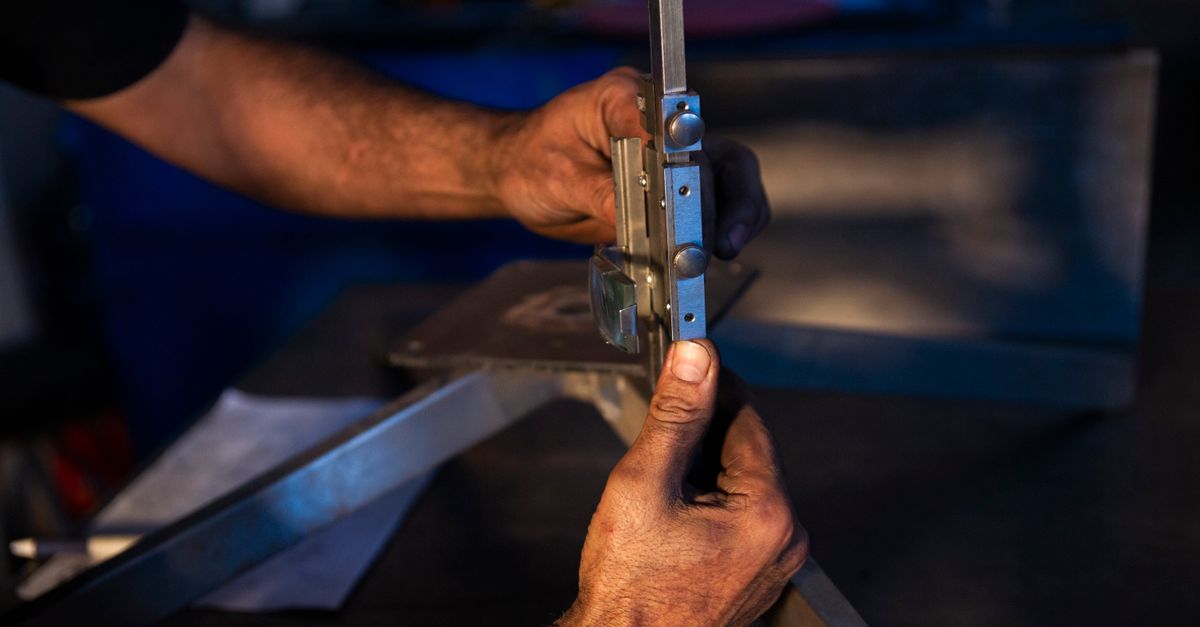
A huge number of UWS co-op apartments are fitted with mortise lock bodies — a style of lock where the entire mechanism is recessed into a pocket (the mortise) cut into the door's edge, rather than surface-mounted like a standard cylindrical knob lock. If your door has a long, rectangular faceplate running vertically along the edge, you have a mortise lock. These locks are robust, elegant, and — in older buildings — often original to the construction. Many still carry the Corbin name, a heritage brand whose antique mortise lock and Corbin antique mortise lock hardware appears throughout New York's prewar residential stock. These Corbin mortise lock pieces can be over a century old and still function well, which is one reason buildings prefer to re-cylinder them rather than replace the entire body.
When you need to change the cylinder in a door lock of this type, the process is more involved than swapping a deadbolt. A mortise cylinder is typically threaded into the lock body and secured by a set screw; getting it out without damaging the trim or the door requires the right tools and familiarity with how the tailpiece engages the cam inside the lock. An experienced locksmith will also know whether the replacement cylinder needs to match the building's master key system — because if your building uses a grand-master or sub-master hierarchy, a random off-the-shelf cylinder won't key into that system correctly. Our team works with mortise hardware regularly across the UWS and can source cylinders — including period-appropriate profiles compatible with antique locks and keys — that satisfy both your security needs and your board's requirements.
## Smart Locks and Electronic Hardware: What Most Boards Will and Won't Accept
Smart locks have become genuinely useful for UWS residents — the ability to grant temporary access to a dog walker, a house cleaner, or a family member without cutting keys is a real convenience in a neighborhood where people keep busy schedules. But boards have legitimate concerns about electronic hardware, and the rules vary building by building. The most common board objection is that a smart lock that replaces the existing cylinder entirely may break the building's master key access. The solution most experienced locksmiths recommend — and that many boards will accept — is a smart lock that sits on the interior side of the door and controls a traditional deadbolt cylinder, leaving the existing exterior cylinder (and master key compatibility) intact. This way, building staff can still enter with their key in a genuine emergency, while you gain electronic control from inside.
If you're drawn to a specific smart lock product and want to know how to change batteries in that device down the road, it's worth understanding the battery replacement process before committing — most quality electronic locks make this straightforward, but you want to confirm the lock gives you a low-battery warning with enough lead time that you're not locked out when power drops. Whatever product you're considering, check your board's rules first, then call a professional locksmith who can assess whether the hardware is compatible with your existing door prep and the building's access requirements. If you're ready to have that conversation now, reach out to Upper West Side Locksmith NYC at (646) 713-1358.
## What the Compliance Process Actually Looks Like: A Practical Walkthrough
Here's a realistic sequence for getting a lock change done correctly in a UWS co-op or condo. First, identify exactly what's on your door right now — lock type, brand, and cylinder profile. If you're not sure, a quick call to a locksmith can get you an answer without any commitment. Second, pull out your proprietary lease or bylaws and search for terms like 'lock,' 'hardware,' 'alterations,' and 'access.' Third, if the language is restrictive or unclear, email your managing agent describing what you want to do and ask whether board approval is required or whether notification after the fact is sufficient. Get the response in writing. Fourth, once you have clarity, work with a locksmith who understands building requirements — not just someone who can physically install hardware, but someone who can advise on master-key compatibility, cylinder selection, and documentation you might need to provide to management.
Fifth, after the work is done, provide your building superintendent with a key if your lease requires it — and keep a copy of any correspondence approving the change. Some residents skip this step and run into problems months later when a new board member or property manager audits the building's records. A professional locksmith familiar with UWS buildings can walk you through each of these steps and help you choose hardware that passes muster. The job itself — whether it's rekeying an existing Corbin antique mortise lock cylinder, installing a new deadbolt, or fitting a smart lock add-on — typically moves quickly once the compliance questions are settled.
## Services Upper West Side Locksmith NYC Provides Across the Neighborhood
Our mobile locksmith team serves the entire Upper West Side and surrounding Manhattan neighborhoods around the clock. Here's a specific look at what we handle: residential lockout response, co-op and condo lock compliance consultations, mortise lock cylinder replacement and rekeying, new deadbolt installation on prewar doors, smart lock installation and integration with existing hardware, master key system setup for multi-unit landlords, high-security lock upgrades (including Medeco and Mul-T-Lock cylinders), lock rekeying after a tenant move-out, lock rekeying after a lost or stolen key, broken key extraction from mortise and deadbolt cylinders, door alignment and strike plate adjustment for sticky or misaligned doors, peephole installation and upgrade, mailbox lock replacement, storage unit lock installation, garage door lock service, intercom-linked lock assessment, safe opening and combination changes, safe installation and anchoring, car lockout service, automotive key duplication, transponder key programming, key fob replacement, ignition cylinder service, commercial door lock installation and rekeying, and emergency lock repair after a break-in or attempted forced entry. We bring our tools and hardware to you — no shop visit required — and we confirm an exact price before any work begins, so there are no surprises on the invoice. Pricing factors include the lock type and complexity, parts required, time of day, and travel distance to your address.
Frequently asked questions
Does my UWS co-op board have the right to tell me which locks I can install?+
Yes, in most cases. Your proprietary lease — the document that governs your tenancy as a co-op shareholder — typically includes provisions about alterations to the unit, and door hardware usually falls under that umbrella. Boards can and do specify that locks must maintain master key compatibility or that certain electronic lock types require prior approval. Condo associations have somewhat less authority over individual unit interiors, but common-area-facing doors (your entry door is considered to face a common hallway) are still subject to building rules. Always review your lease and get written approval before swapping hardware.
Can I install a smart lock in my co-op apartment without notifying the board?+
It depends on your building's rules, but notifying management before the work is generally the safer move. The core concern boards have is emergency access — if your smart lock replaces the exterior cylinder entirely, building staff may lose master key entry. A hybrid approach where the smart lock controls the interior mechanism while the exterior cylinder remains unchanged is often the path that satisfies both your convenience needs and your board's access requirements. A qualified locksmith can assess your door and recommend compatible hardware before you purchase anything.
What's involved in replacing the cylinder in a prewar mortise lock like a Corbin antique mortise lock?+
A mortise lock cylinder sits inside the lock body and is typically secured by a set screw accessible from the edge of the door. Removing it requires releasing that screw and carefully threading out the cylinder so the tailpiece disengages cleanly from the internal cam. In a building with a master key system, the replacement cylinder must be ordered or cut to work within that system — a standard off-the-shelf cylinder won't do this automatically. For antique locks and keys with older keyways, sourcing a compatible profile can require some research. An experienced locksmith will assess the existing hardware, identify the correct replacement, and ensure the new cylinder operates the lock body smoothly before finishing the job.
How do I know if the locksmith I hire understands UWS co-op rules?+
Ask directly: have they worked in co-op buildings on the Upper West Side before? Do they understand master key systems and how a new cylinder needs to be keyed into one? Can they provide documentation of the work for your managing agent if needed? A locksmith who regularly works in prewar Manhattan buildings will be familiar with mortise lock hardware, building access requirements, and the kinds of questions boards ask. Upper West Side Locksmith NYC works throughout the neighborhood and is comfortable navigating these conversations alongside our clients. Call us at (646) 713-1358 any time — day or night — and we'll walk you through what your specific situation requires.