Why Car Keys Snap and What Makes Extraction Tricky
Car keys break inside locks for a predictable set of reasons: metal fatigue from years of daily use, a partially worn or damaged key that puts uneven stress on the bow, a frozen or gritty lock cylinder that resists turning, or simply applying too much torque when the lock is already stiff. Modern laser-cut and transponder keys are thicker than older single-sided keys, but they are not immune — the shank can snap cleanly at the shoulder, leaving a flush or recessed fragment inside the cylinder. High-cut sidewinder keys used on many European vehicles are particularly prone to this because they flex in multiple planes as they enter the lock.
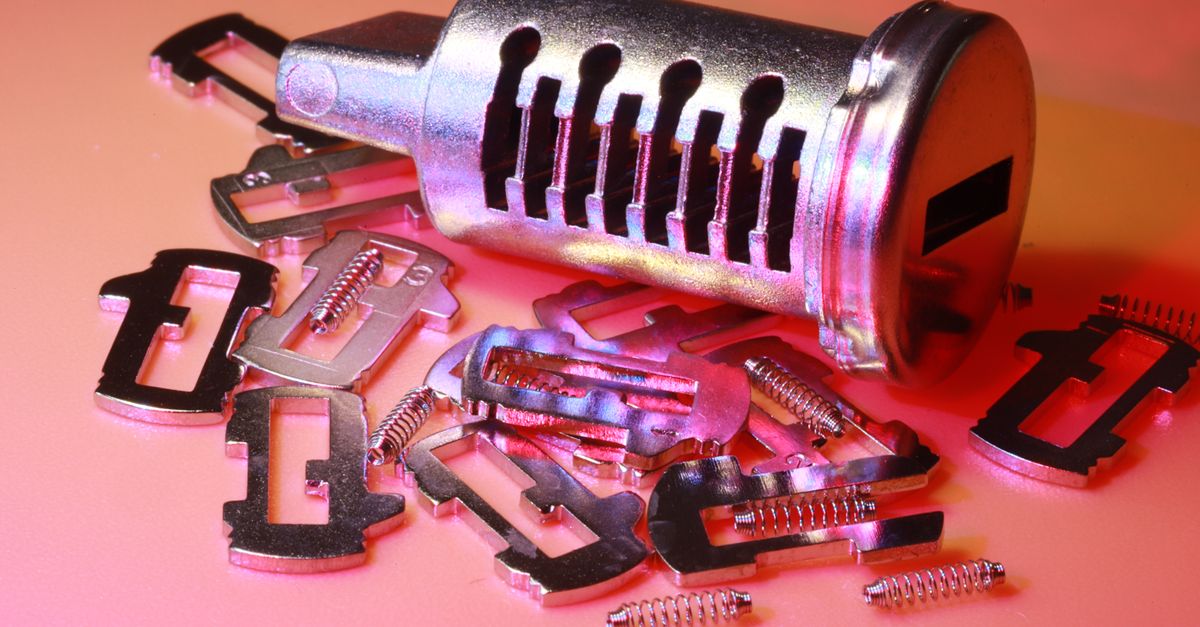
What makes the job genuinely difficult — and why improvised attempts with bobby pins, tweezers, or super glue on a stick usually make things worse — is the internal geometry of a lock cylinder. Wafer-type cylinders used in most American and Japanese vehicles grip the key blade along its entire length. If the fragment shifts even slightly out of alignment during an amateur extraction attempt, it can jam between the wafers and require the entire cylinder to be disassembled or replaced. Ignition cylinders are even more sensitive: pushing a broken piece deeper can disable the steering column lock or, in some keyless-start systems, trigger anti-theft protocols that require dealer-level programming to reset. Our technicians understand these failure modes before they pick up a single tool.